


🧠 Prediction markets are not “truth machines” (yet)
The growing use of prediction market prices by mainstream media creates a false sense of precision. Many contracts trade with thin liquidity, unclear depth, and volume that can be distorted by wash trading. Without context — liquidity bands, open interest, resolution history — prices risk being misread as consensus rather than fragile signals.
The key takeaway: a probability without liquidity context is closer to an opinion than a forecast. This problem is structural, not malicious, and it will persist until standardized disclosure becomes normal practice.
For a deeper dive in this theme, check out Andrew Courtney's article “Don’t just put the chart on the screen.”
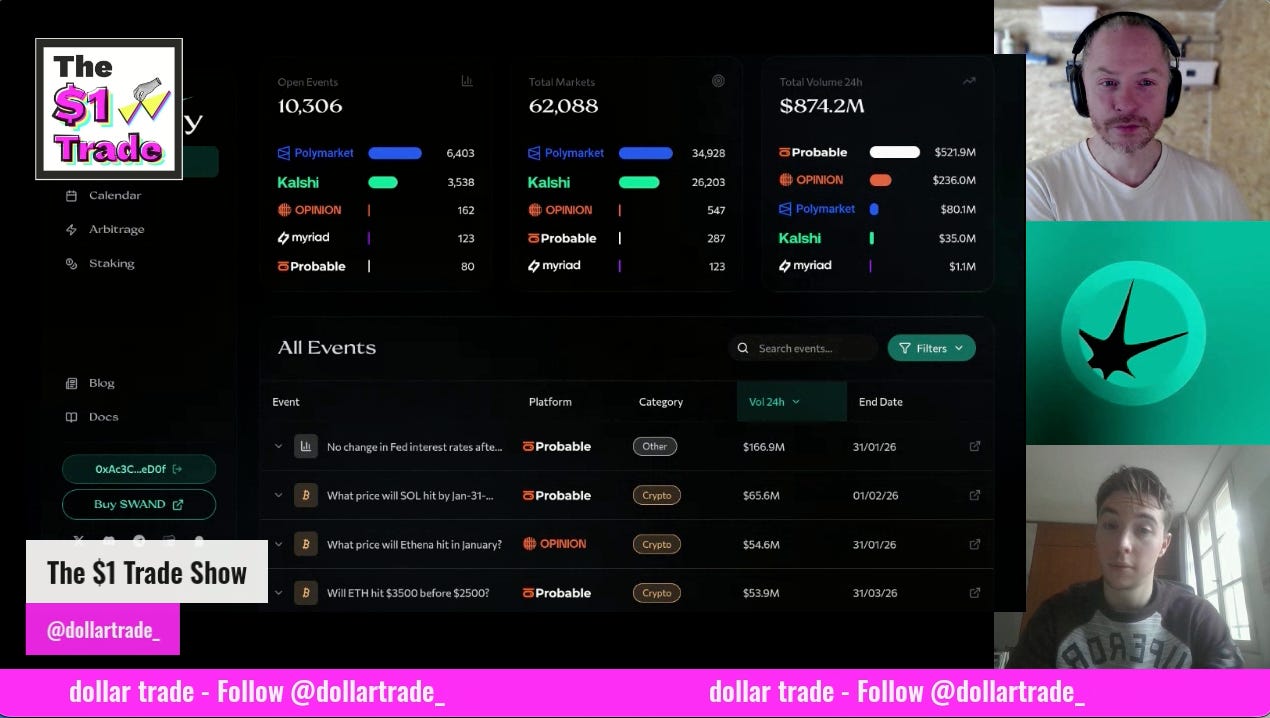
📺 Don't forget to check out yesterday’s live stream featuring Wandly. They're building a set of tools for prediction markets traders!
📐 Prediction markets are pre–Black-Scholes
Today’s prediction markets resemble options markets before a shared pricing framework existed. Probabilities move, but there is no common model to describe how they move.
The absence of standardized belief volatility, jump intensity, or cross-event correlation makes markets hard to hedge and expensive to quote. Market makers absorb this chaos — and often get punished for it.
The implication is big: without a unifying model, prediction markets cannot scale into deep, institutional infrastructure. With one, entirely new derivatives — volatility on beliefs, correlation baskets, threshold instruments — become possible.
🏛️ Regulation vs permissionlessness is becoming explicit
Public positioning from Kalshi continues to emphasize surveillance, insider-trading prohibitions, and regulatory alignment — mirroring traditional financial markets.
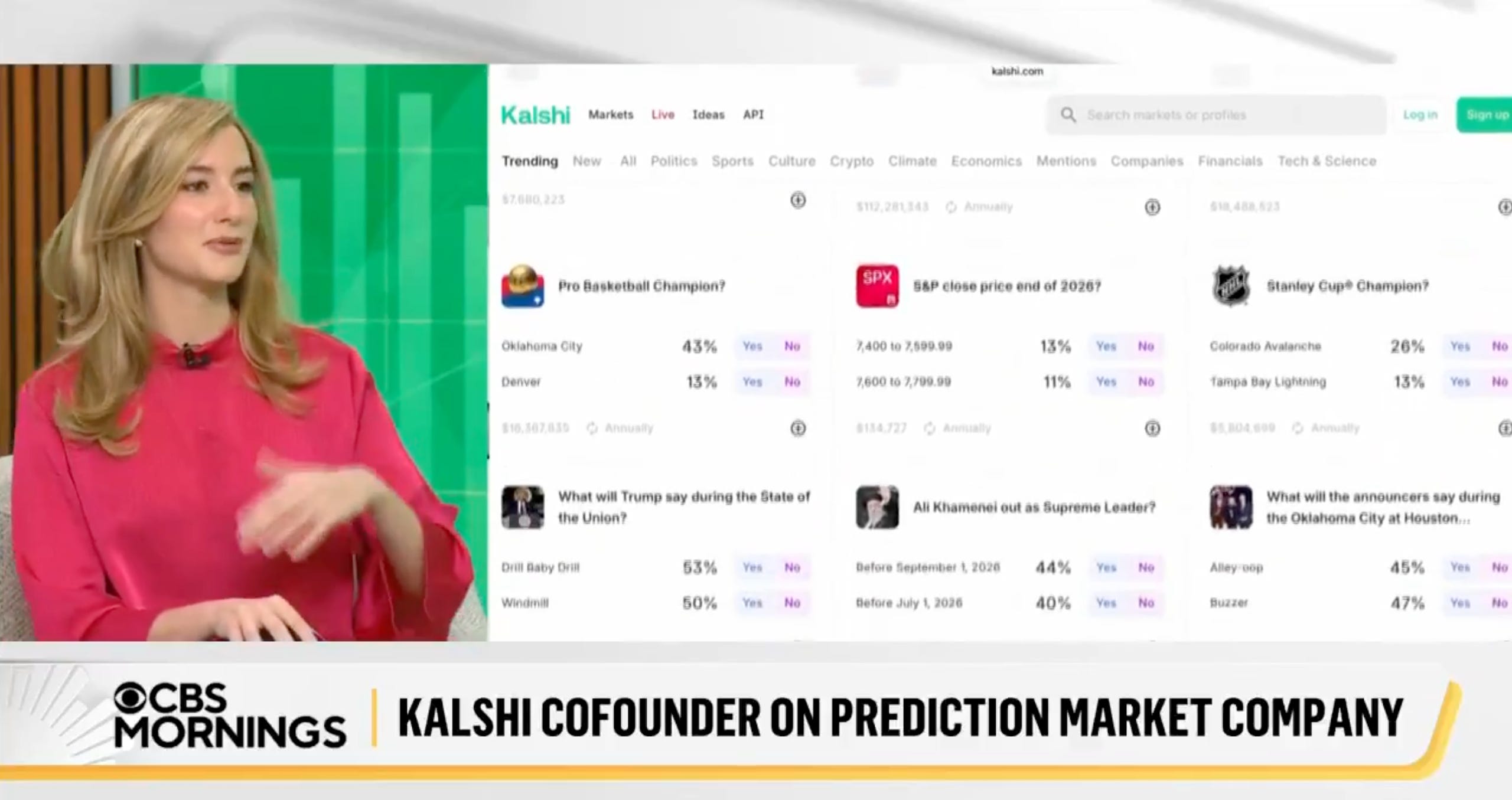
In contrast, crypto-native markets implicitly treat insider information as a signal rather than a violation, assuming outcomes cannot be influenced by trades themselves. On-chain transparency makes this tension visible rather than hidden.
This is no longer theoretical. The split between regulated and permissionless prediction markets is now a product-level difference, not just a legal one.
🎭 The influencer PnL illusion
A viral story claimed a run from $12 to $100,000 in a handful of trades. On-chain scrutiny showed a different reality: multiple funded accounts, selection bias, and public posting only after a single path succeeded.
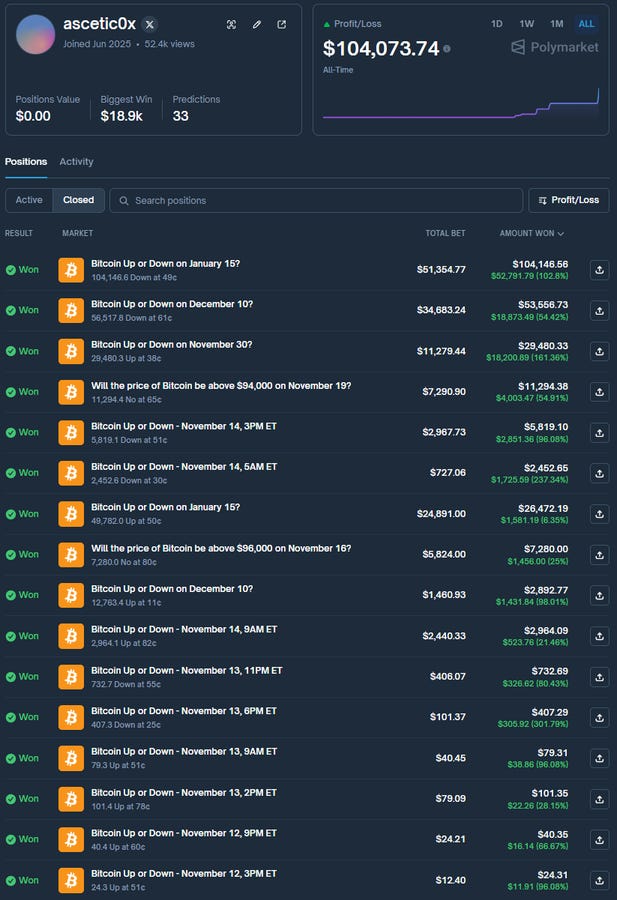
This pattern is old — but prediction markets make it easier to audit. Transparency punishes fake track records faster than narrative can spread, if traders bother to check.
📊 Polymarket is still growing — but losing share
A new Messari report highlights a clear shift: Polymarket continues to grow in absolute terms, but competitors are eating into volume and open interest.
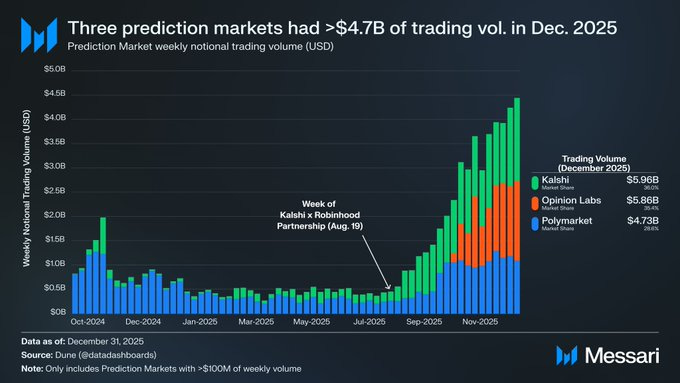
The data suggests:
Sports dominate volume on some platforms, increasing vulnerability to traditional sportsbooks
Politics, crypto, and culture diversify demand elsewhere
Incentives, not first-mover advantage, will decide the next phase
Market leadership is no longer guaranteed by brand alone.
🐳 New tools are mapping the food chain
Emerging analytics platforms now surface whale positioning, contrarian flows, and divergence from consensus in real time. This reframes prediction markets as what they actually are: a competitive ecosystem, not a neutral oracle.
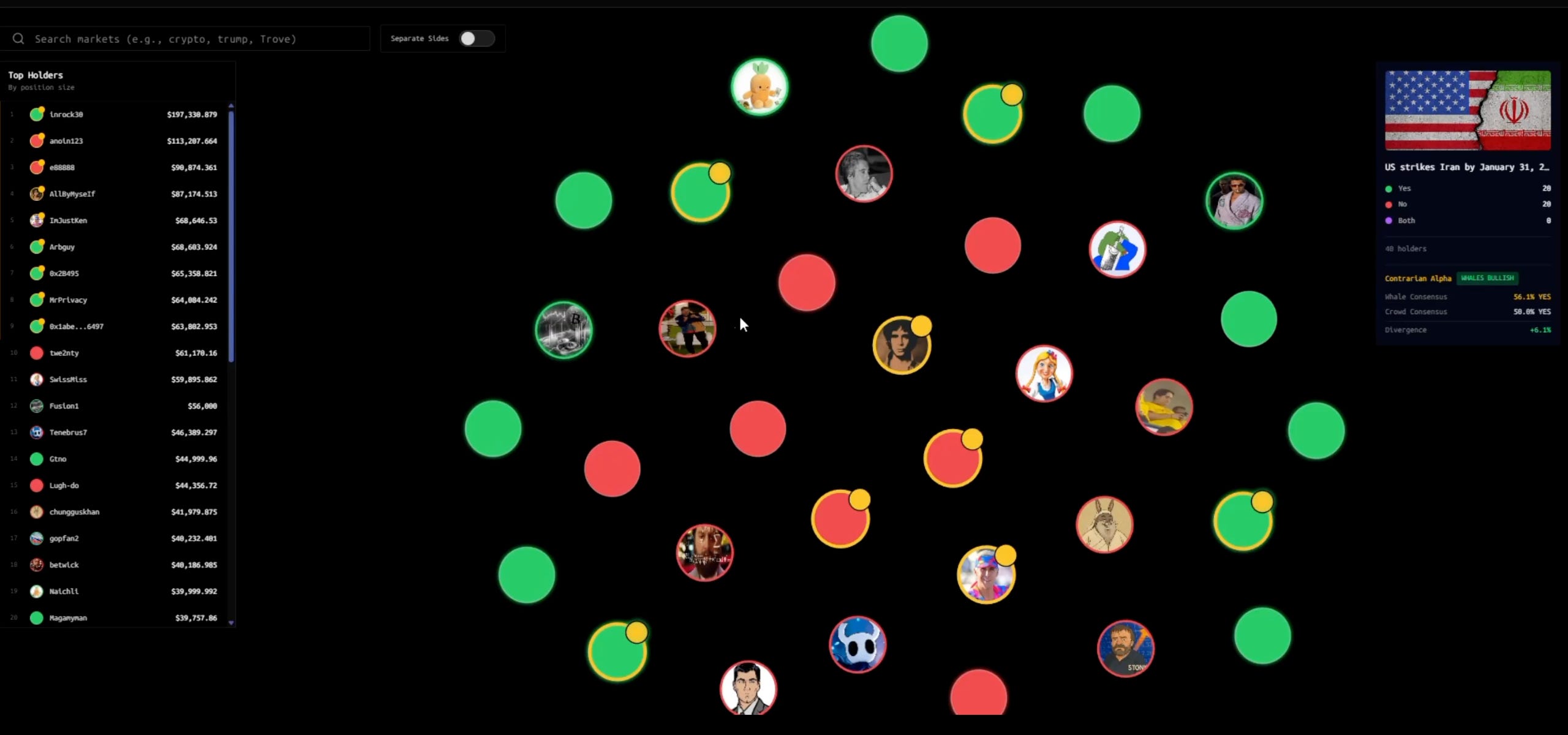
Retail traders are no longer blind — but they are still downstream. The edge increasingly belongs to those who can see who is betting, not just what is priced
📬 BEFORE YOU GO — SUBSCRIBE, FOLLOW, WATCH
Follow @DollarTrade on X
And subscribe to the newsletter
Join our livestream on Mon and Thur at 8:30 EST.
Thanks for riding with us!